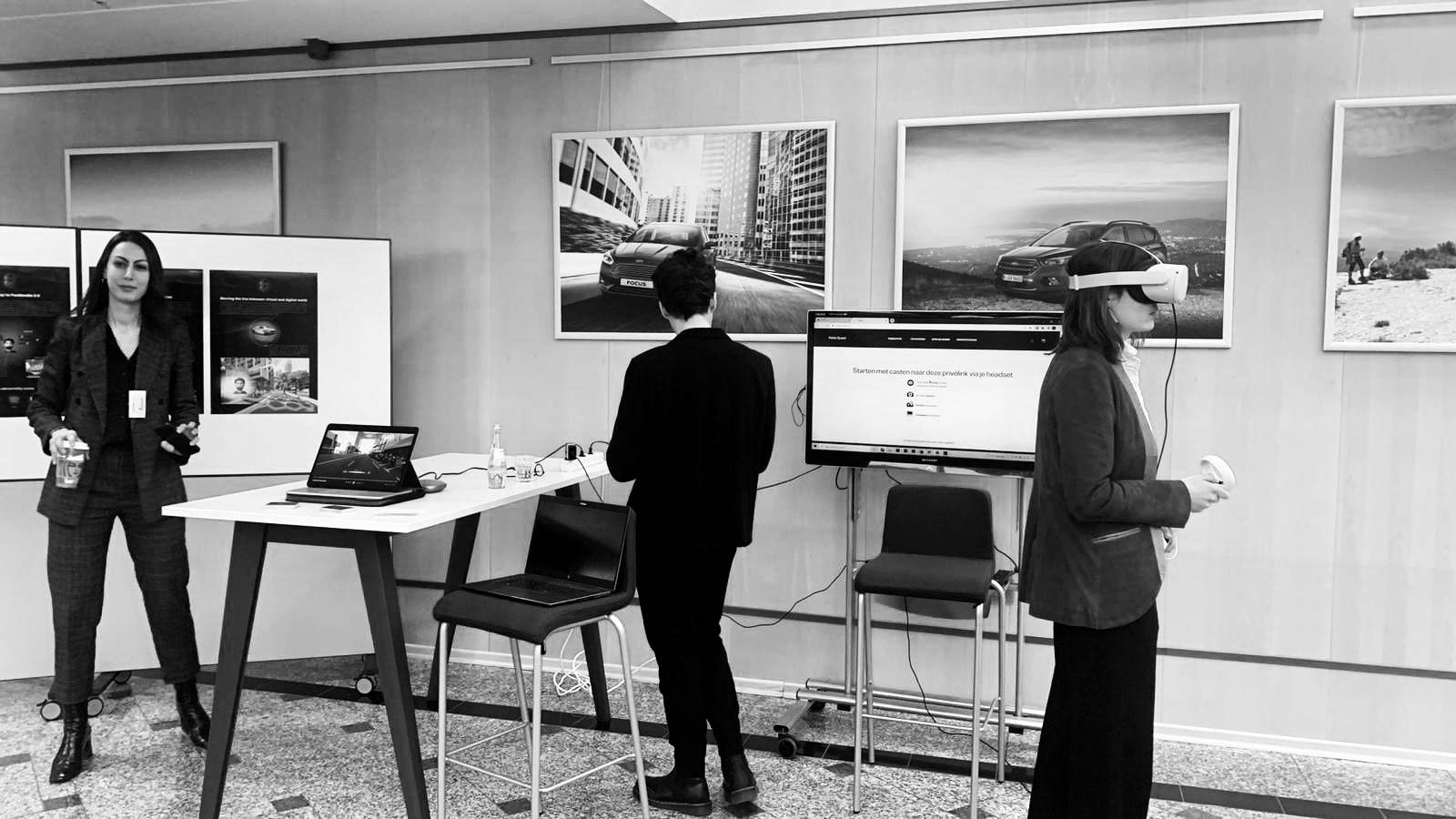
TYPE TU Delft, MSc course: Design Strategy Project, group work with 5 students
TIMELINE Sep - Jan '22
ASSIGNMENT Design a strategy for the car industry using the Metaverse
TOOLS & METHODS Moodboard, Gravity Sketch (VR), Trend analysis, Creating roadmaps
TIMELINE Sep - Jan '22
ASSIGNMENT Design a strategy for the car industry using the Metaverse
TOOLS & METHODS Moodboard, Gravity Sketch (VR), Trend analysis, Creating roadmaps
What could Metaverse mean for Ford, as an enabler for valuable experiences for their commercial and passenger vehicle users?
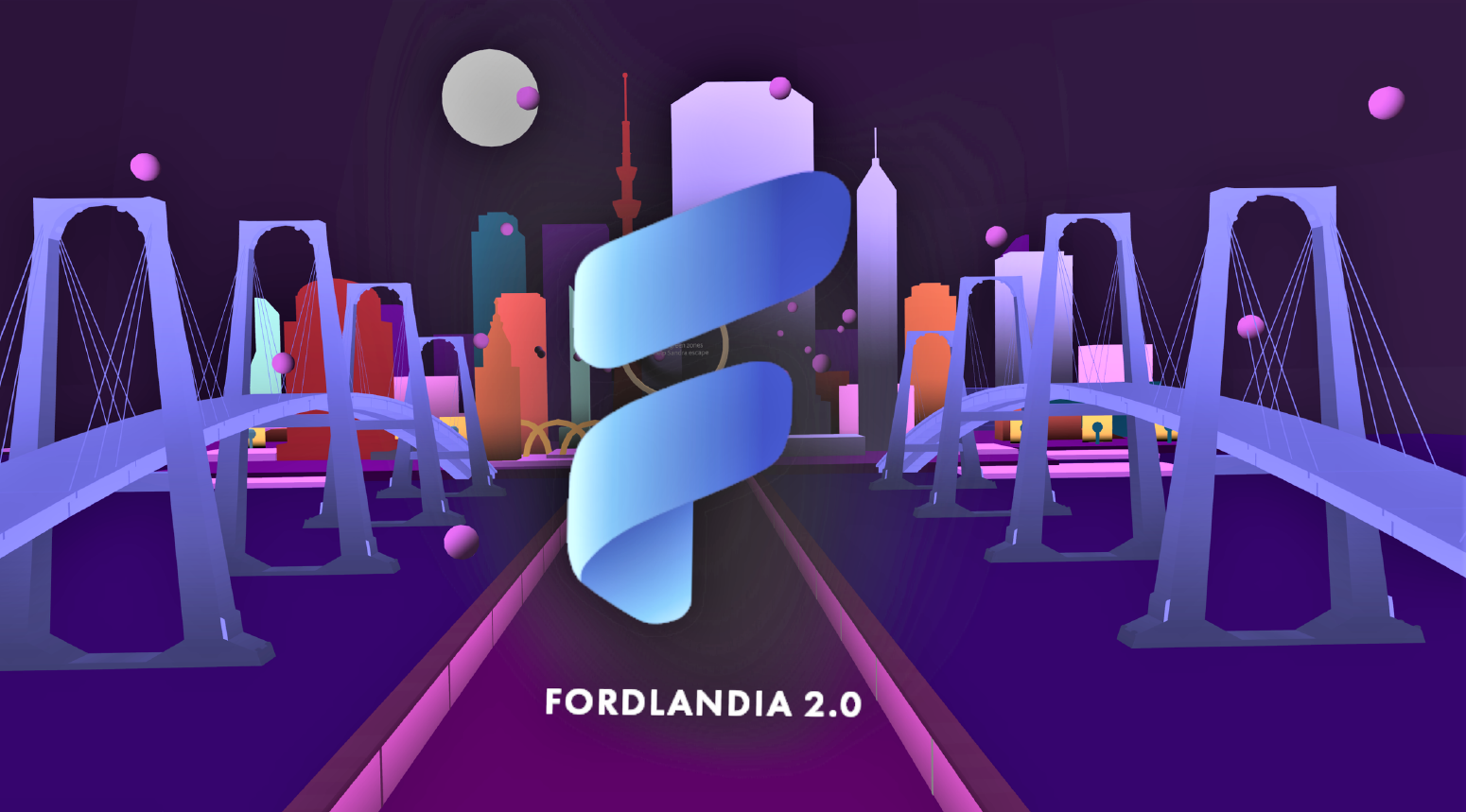
We proposed the Metaverse as a space for experimentation
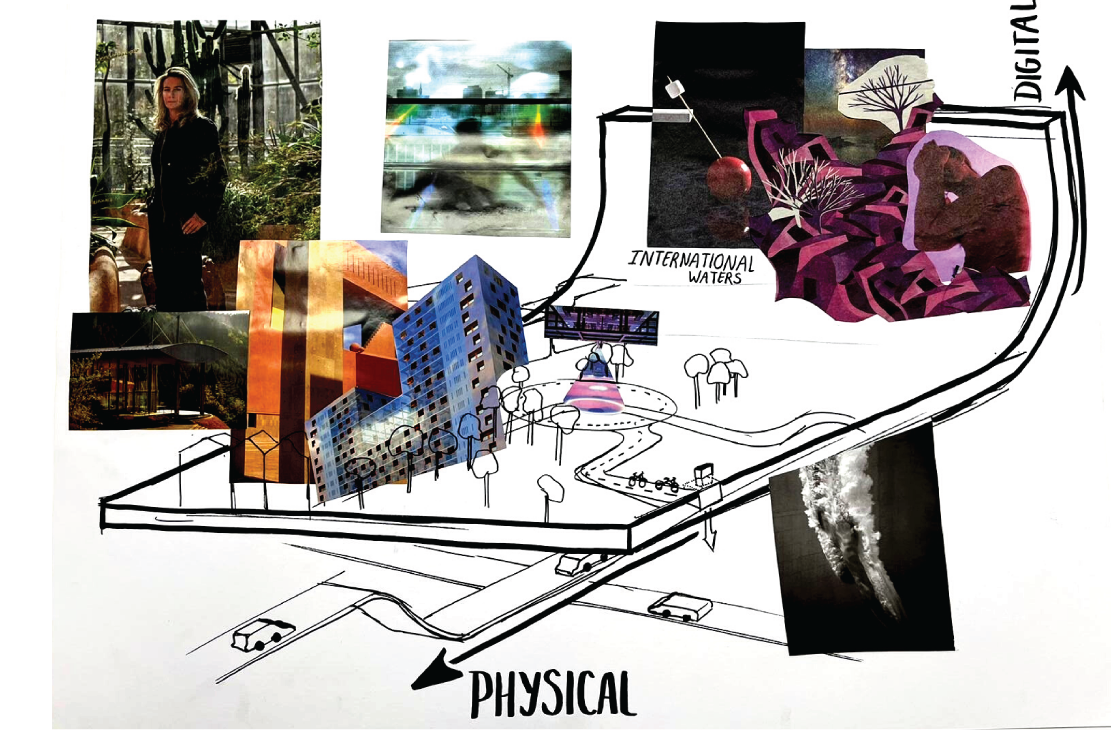
As strategic designers, we reframed the initial design question. We presented the philosophy, and spirit of the metaverse and how to integrate it in the company, brand, and identity. We proposed the Metaverse as a space that facilitates experimentations.
A new world, co-created by Ford and its users, to tackle greater issues facing humanity by blurring the line between the real and digital world. Where the real world has its limitations, the digital world can be limitless. And where the digital world is fictional, the real world is giving us real-life input. The collage below was our first future vision to allign our very first ideas with the client.
A new world, co-created by Ford and its users, to tackle greater issues facing humanity by blurring the line between the real and digital world. Where the real world has its limitations, the digital world can be limitless. And where the digital world is fictional, the real world is giving us real-life input. The collage below was our first future vision to allign our very first ideas with the client.
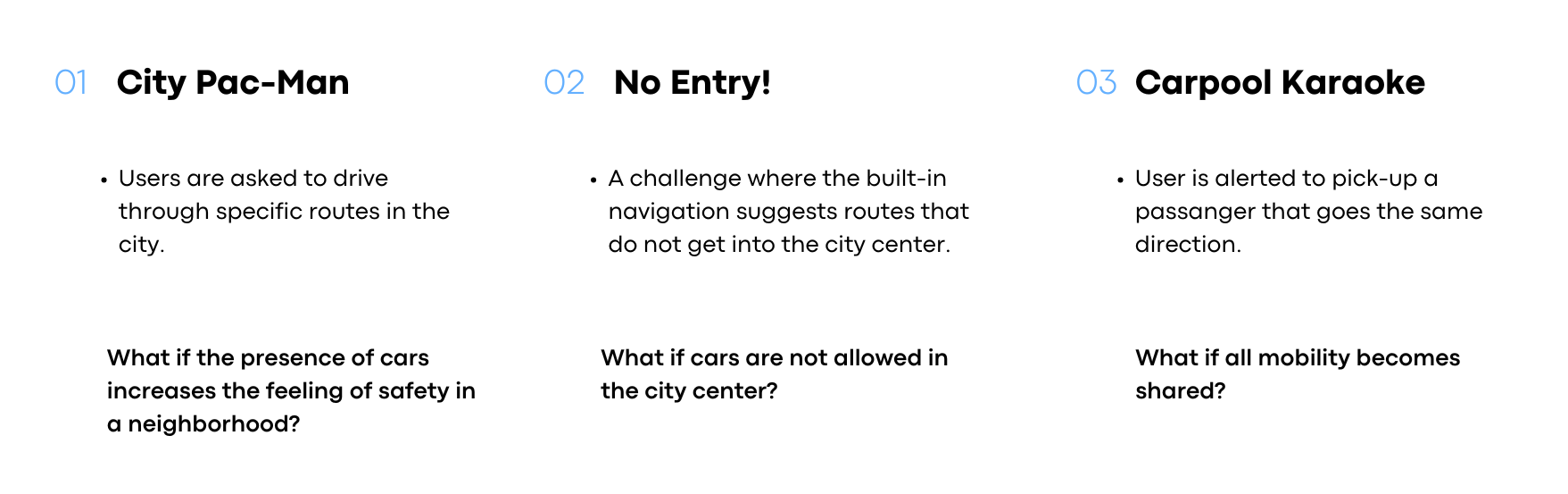
Testing Mobility Challenges in the metaverse
For Ford, Forlandia 2.0 is a self created world that enables them to track behavioural data globally. For the user, Forlandia 2.0 is an interactive and immersive game allowing them to fulfill challenges. The gaming element could enhance for user engagement. Below you see three examples of challenges that could be tested in the online environment.
3 horizons show the development of the immersive experiences
The products/services introduced in each horizon continue to exist in the next one to achieve a multi-entrypoint platform.
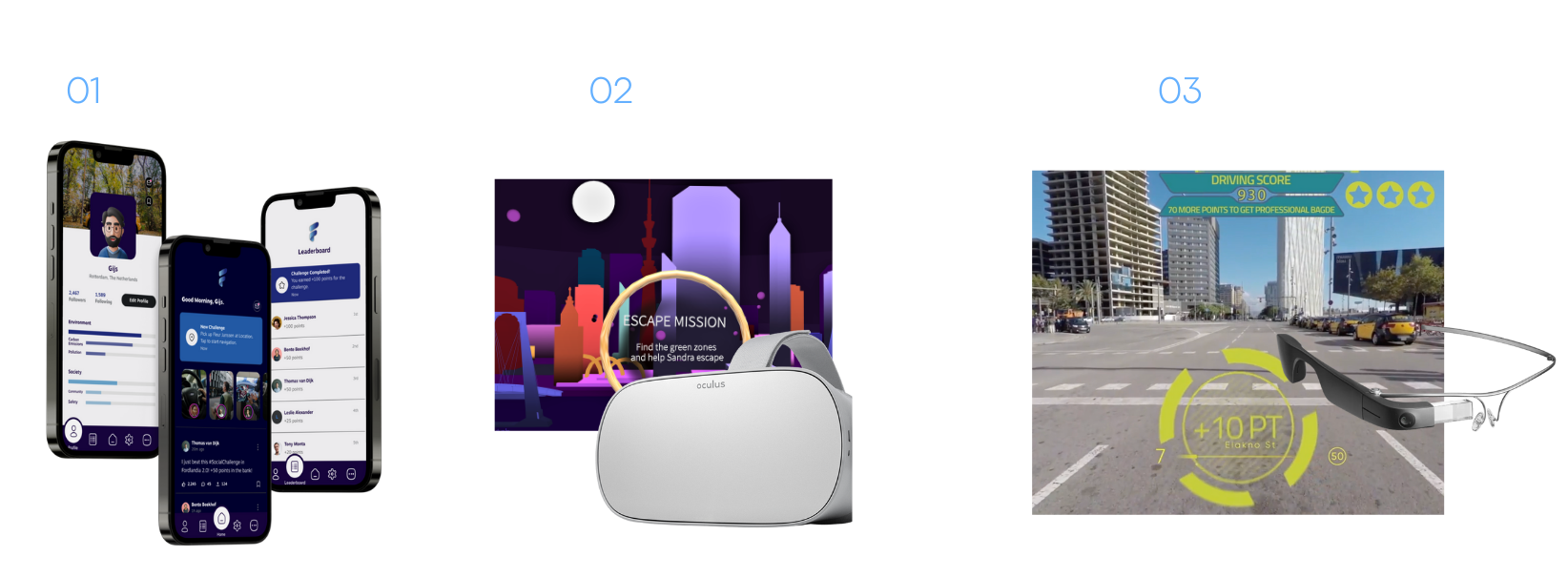
Horizon 1 - presenting an app and platform as a gateway to Fordlandia 2.0
An app that raises customer awareness of their behavior while providing opportunities for improvement. Users can create personalized avatars, connect with friends, and earn points by completing real-life challenges. These challenges address complex issues such as environmental sustainability and social responsibility, offering insights into user behavior in alternative scenarios. As cars in cities are increasingly restricted—a trend already underway—Ford must anticipate and develop new strategies to adapt. By integrating these elements, Ford can encourage more conscious mobility choices and strengthen its commitment to a smarter, more sustainable future.
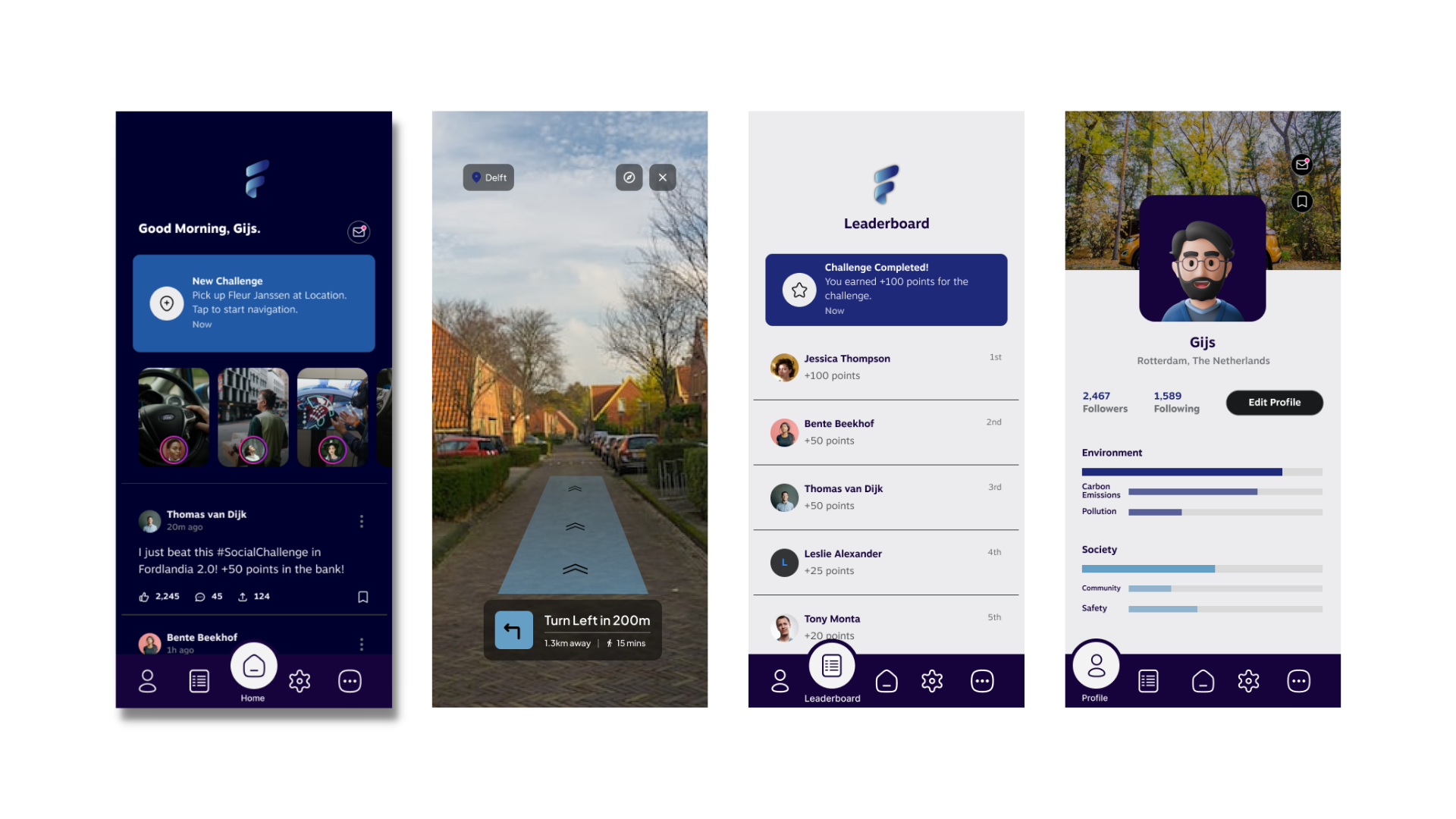
Horizon 2 - challenges get more immersive and creative
Users tackle challenges entirely within the virtual reality side of Fordlandia 2.0, enabling infinite scenario possibilities for Ford to test and experiment with. Within a week, we built a VR space where clients could explore a digital immersive world, allowing us to demonstrate our vision. While VR offers a truly unique experience, we believe it will remain more niche, appealing to digitally savvy users who enjoy artificial environments. The next horizon focuses on blending these worlds.
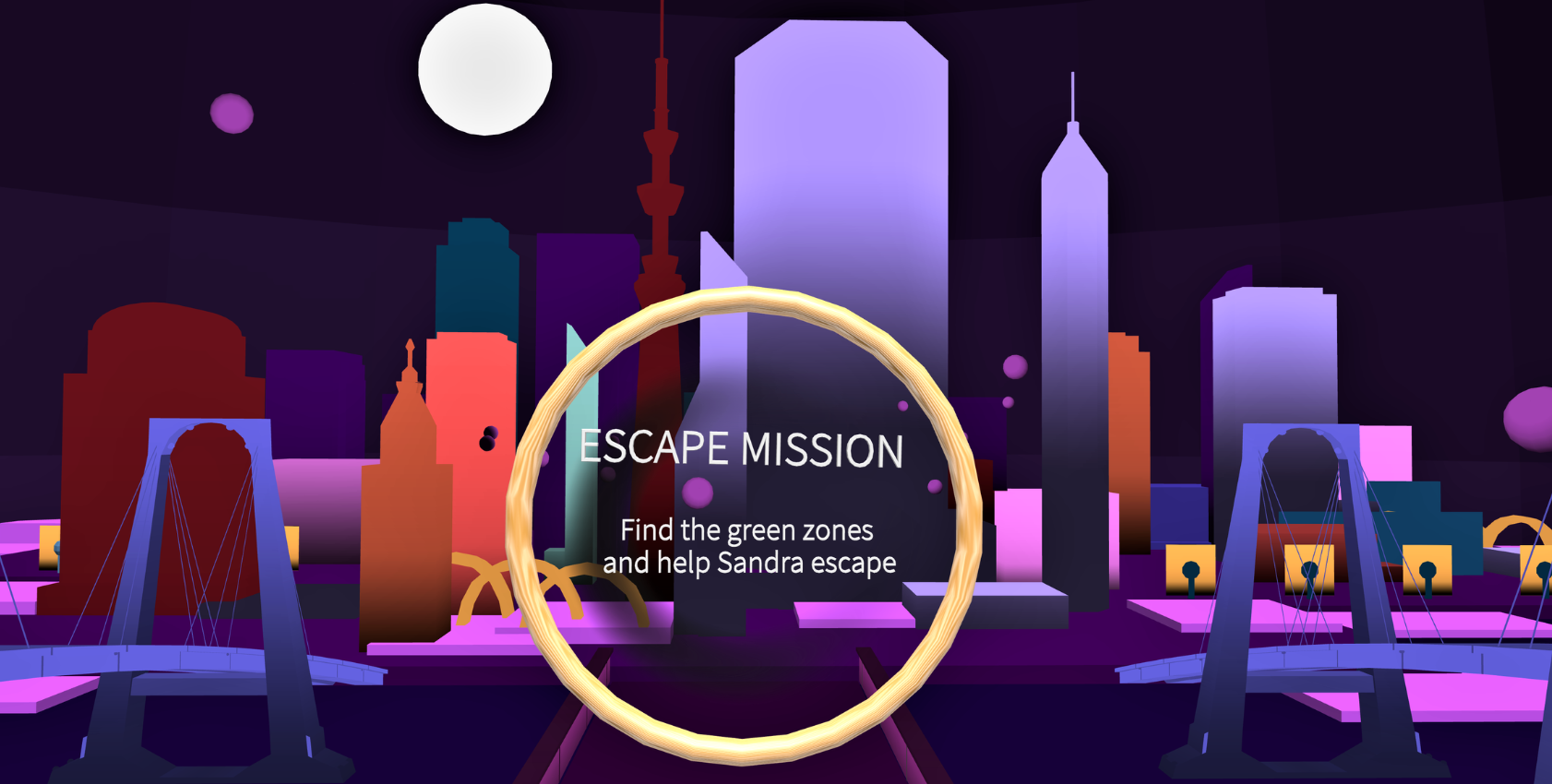
Horizon 3 - mixed reality
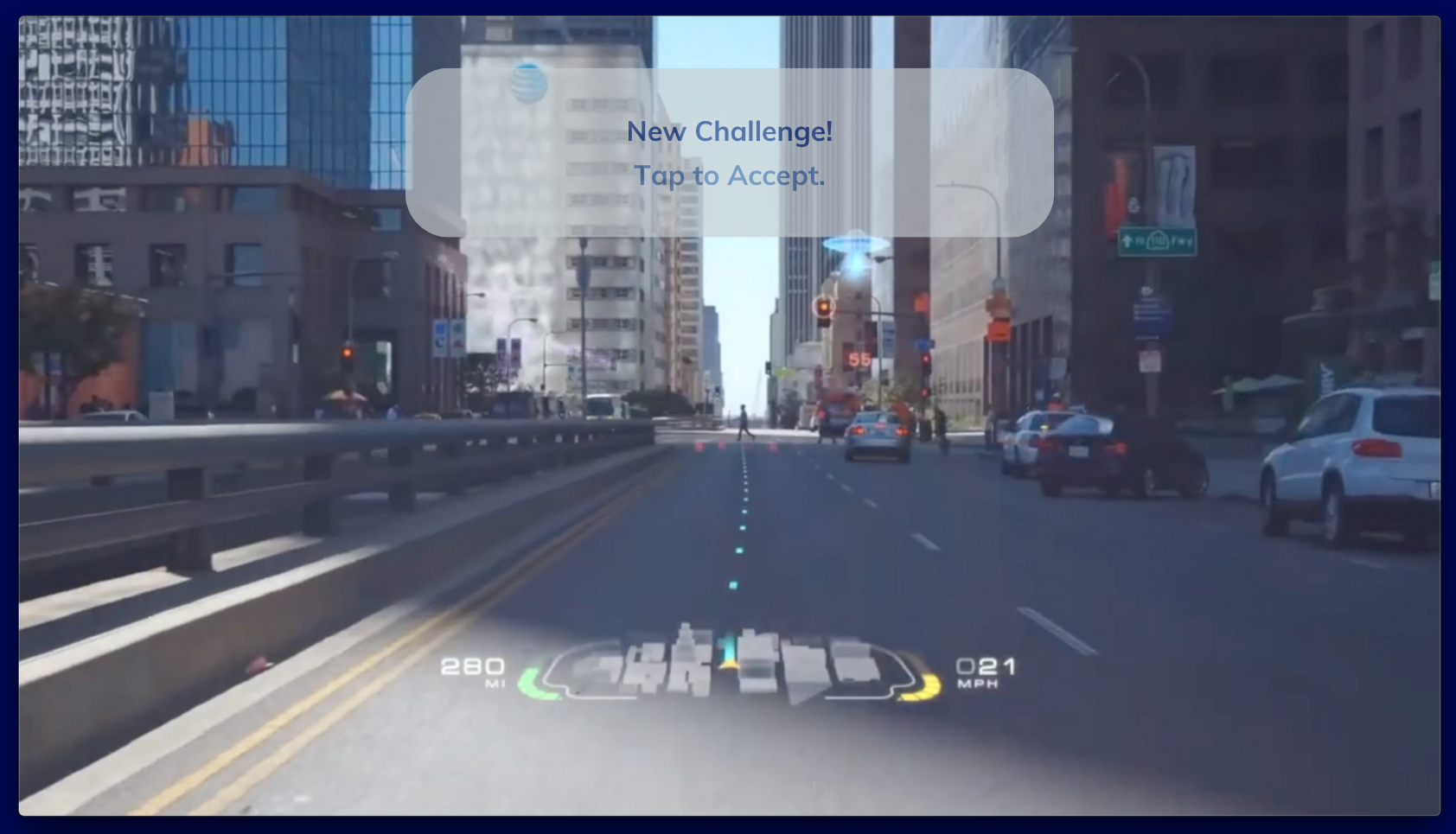
Challenges take place in real life, enhanced by a digital overlay. Users experience a personalized version of Fordlandia 2.0. Mixed reality could gain widespread acceptance, as it enhances daily tasks without fully immersing users in an artificial digital world.
Results and reflection
We proposed Ford to use the Metaverse as a online research center, to test future scenarios, to be able to learn from the real world without exploiting and have a close collaboration with the user. I loved this project because it was very interesting to think about possible future scenarios, and create a space in which we could board imagined futures and learn from them. It felt almost like timetraveling, which evoked lively discussions. This project gave me a good impression of what a strategic design project could look like, focusing on critical thinking - what is the real question of the client? - and finding use of emerging technologies for big companies like Ford.